
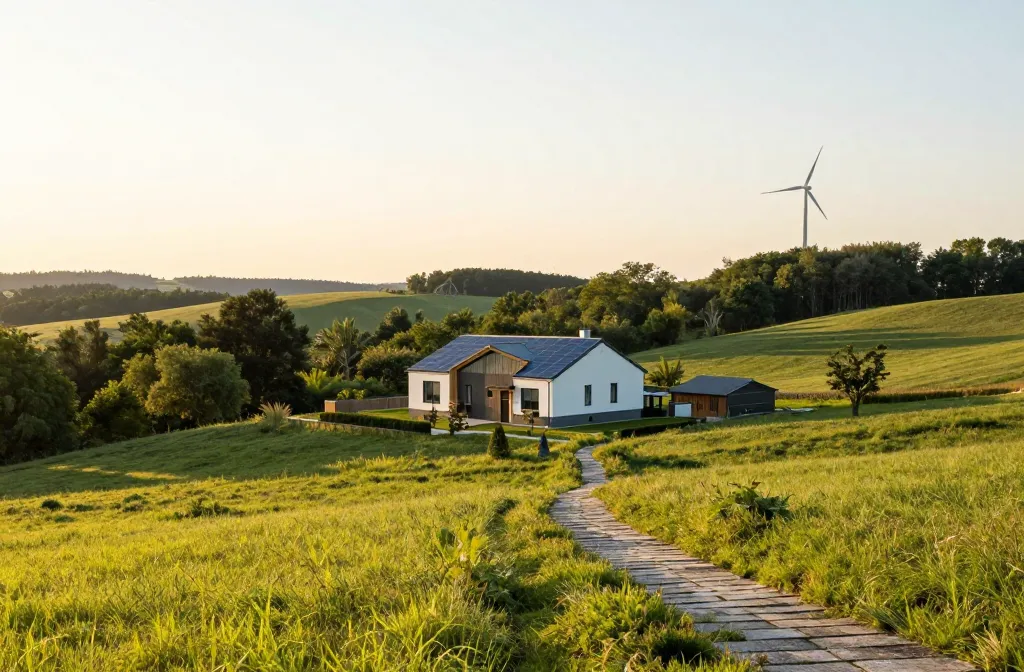
The air is cooler, the bills are higher, and suddenly green mortgages sound a lot more interesting than they did last year. If you’ve ever dreamed of lowering monthly costs while boosting your home’s comfort, this might be your moment. Let’s cut to the chase: green mortgages and energy-efficient homes aren’t just buzzwords. They’re practical tools that can save you money, improve your space, and make you feel like a responsible adult who actually reads the fine print.
What a green mortgage even means, in plain English
So you’ve heard of green mortgages, but what are they really? At its core, a green mortgage is a loan that incentivizes you to buy, refinance, or improve a home with energy efficiency in mind. Banks and lenders offer discounts, higher loan limits, or better terms if your home meets certain energy standards or if you’re funding upgrades that reduce energy use.
Why should you care? Because every kilowatt saved or every draft eliminated adds up to real money. You’ll typically pay less interest or fees upfront, and you’ll enjoy lower ongoing energy costs. It’s like getting a productivity boost for your house.
How energy efficiency translates to your wallet
Let’s break down the money math so it’s not chaos at the kitchen table.
- Lower interest rates — Some green mortgage programs offer discounted rates for homes that meet energy performance criteria. Even a small percentage drop compounds over the life of a loan.
- Reduced monthly energy bills — Better insulation, efficient HVAC, and proper sealing cut heating and cooling costs. Think of it as paying the mortgage with money you don’t have to borrow.
- Tax credits and incentives — Depending on where you live, you may qualify for tax credits, rebates, or accelerated depreciation on energy upgrades. FYI, the specifics vary wildly by country and state.
- Higher resale value — A home with solid energy performance tends to attract buyers. People love lower bills and fewer surprises on closing day.
Reality check: what counts as “green”?
Green isn’t a magical label you paste on a house. Lenders typically look for:
– High-efficiency heating and cooling (think heat pumps, high SEER ratings)
– Superior insulation and airtightness
– Efficient windows and doors
– Efficient appliances and lighting
– Renewable-energy features (like solar) or at least the potential to add them
– A comprehensive energy audit or rating, sometimes called an energy performance certificate
If your home already checks some boxes, you may qualify right away. If not, upgrading doors, sealing leaks, and upgrading to efficient fixtures can still move the needle.
Getting started: how to snag a green mortgage

You don’t need to be a superhero to pull this off, just informed and a tad organized.
- Check your local programs — Start with your lender or local government websites. Some programs require specific efficiency ratings or verified upgrades.
- Get an energy audit — An energy audit or home performance assessment helps you see where you’re wasting energy and what upgrades deliver the biggest bang for your buck.
- Plan upgrades with a budget — Prioritize high-impact improvements (air sealing, insulation, efficient HVAC, heat pumps) and map them to potential loan benefits.
- Compare loan options — Don’t settle for the first green mortgage you find. Compare interest rates, terms, closing costs, and what upgrades are eligible.
- Gather documentation — You’ll need home improvement receipts, energy audits, and certificates. Pro tip: keep digital copies in a folder labeled “Green Mortgage Stuff.”
One common pitfall: upgrading without a plan
People love shiny new boilers, but if you replace an old system with a less efficient one or misjudge the space, you’ll regret the money spent. Always tie upgrades to energy savings and lender requirements. Yes, the paperwork can be a drag, but a little organization saves you major headaches later.
What to upgrade first if you’re on a budget
If you’re not buying a totally energy-souped-up house, you can still make smart moves.
- Seal gaps and insulate — Weatherstripping doors and windows, adding attic insulation, and sealing ducts yield fast returns.
- Upgrade the thermostat — A smart thermostat reduces energy waste and makes your life easier. It’s like having a tiny energy manager living in your living room.
- Improve ventilation — Proper ventilation avoids humidity issues and improves air quality without a crazy energy tax.
- Upgrade to efficient lighting and appliances — LEDs and ENERGY STAR appliances cut ongoing costs with minimal effort.
Green features that actually add value
Not every “green” feature is created equal in terms of value. Here are the ones that tend to pay off:
- Air sealing and insulation — The more you stop air leakage, the happier your heating bill will be.
- Efficient heating and cooling — Heat pumps are popular for their efficiency and versatility in moderate climates.
- High-performance windows — They cut heat loss and reduce drafts, making every room feel nicer.
- Solar readiness — Even if you don’t install solar right away, having wiring or conduit in place makes future upgrades cheap and painless.
- Smart home energy management — A centralized system that optimizes when and how you use energy can shave dollars off bills and keep you comfy.
Solar-ready isn’t the same as solar installed
Being solar-ready means you’ve planned for it: proper inverter space, wiring, and service panel capacity. It doesn’t commit you to a solar install, which is a good way to keep options open if you’re not ready to go full solar now. Bonus: you’ll be ahead of the game if incentives change later.
Financing choices beyond the basics

Green mortgages come in several flavors, and some aren’t even mortgages in the traditional sense.
- Energy efficient mortgages (EEMs) — These add the expected energy savings into the loan amount, helping you qualify for a bigger loan without breaking the bank.
- Home energy performance (HEP) loans — Mortgage-plus-energy audit packages that bundle upgrades with financing.
- Refinancing with a green twist — If you already own and your home has improved efficiency, you can refinance to grab a better rate or pull out cash for upgrades.
- Non-mortgage incentives — Some programs offer tax credits, rebates, or rebates that reduce project costs even if you don’t restructure your loan.
The emotional side: what it feels like to live energy-smart
Sure, the numbers matter, but the daily experience matters too.
- Cozy home, less drama — Tight homes with good insulation stay warm in winter and cool in summer. No more chasing drafts with a blanket and a hot mug of cocoa.
- Better air, fewer headaches — Proper ventilation and filtration make allergies and stuffy rooms less of a vibe-killer.
- Control in your hands — Smart thermostats and energy dashboards give you a sense of mastery over your environment. Also, you get to brag at family gatherings about “stable watt-hours.”
Common questions people ask before committing
Here are some quick answers to the questions you’re probably typing into your brain at 2 a.m.
Will a green mortgage cost more upfront?
Not necessarily. Some programs offer lower interest rates or closing costs, while upgrades may cost money upfront. Over time, you usually save on energy bills and may enjoy a higher home value. It’s all about the long game, not the sprint.
Do I need to install solar to qualify?
Nope. Solar is a nice-to-have for some programs, but many green mortgage options focus on efficiency, insulation, and air sealing. Solar can boost eligibility or savings, but it’s not mandatory.
How do I prove my home meets energy standards?
Expect an energy audit or a home performance assessment. Some programs require a formal certificate or rating. It’s basically the “proof I didn’t just claim I’m eco-friendly” part of the process.
Can I upgrade in stages and still qualify?
Yes. Many programs allow staged improvements. Start with high-impact, budget-friendly upgrades and add more later as you can. It’s a marathon, not a sprint.
What if my house is older or quirky?
Quirky homes can still qualify, but you may have to prioritize upgrades that address the unique gaps your house has. A good energy auditor can tailor a plan and help you navigate lender requirements.
Real-world stories: success and lessons learned

People who leaned into energy efficiency often tell a similar story: a mix of careful planning, a dash of patience, and a surprising amount of relief. One couple reduced their monthly bills by a third after sealing their attic, upgrading to a heat pump, and switching to LED lighting. Another homeowner refinanced, pulled out cash for a whole-home insulation retrofit, and still saved on the interest rate thanks to the green mortgage discount.
Common threads in these stories:
– They started with a solid audit and a clear plan.
– They kept upgrade costs reasonable and tied them to actual savings.
– They asked questions and compared multiple lenders before choosing.
IMO, the real magic isn’t just the money on paper. It’s the comfort of knowing your home isn’t leaking energy like a sieve and the satisfaction of lower bills proving you did the right thing.
What to watch out for: red flags
A smart buyer looks for signs that a program is worth it, not just marketed well.
- Hidden fees disguised as “green compliance costs.” Read the fine print and ask for a plain breakdown.
- Overpromised savings — If a lender says your bills will drop by 80% overnight, run. Real savings come from well-planned upgrades and good habits.
- Rigid upgrade lists — Some programs only accept a narrow set of improvements. If your home needs something else, you still want options.
- Maintenance expectations — A system that’s efficient requires proper maintenance. Budget for future servicing so savings don’t evaporate.
FAQ recap: quick cheatsheet
Are green mortgages available everywhere?
Availability varies by country, region, and even lender. Start with your local banks and credit unions; ask specifically about energy performance incentives.
Do energy upgrades have to be permanent?
Mostly, yes. Real energy savings come from permanent improvements like insulation, sealed ducts, and efficient systems. Portable gadgets help, but they don’t move the needle as much.
Can renters access green financing or incentives?
Sometimes. There are programs aimed at renters, especially those that involve energy-efficient appliances or building improvements funded by landlords. It’s worth asking if you’re in a long-term lease.
What’s the fastest way to see a payoff?
Seal leaks and install a smart thermostat first. These deliver quick energy savings. Then you can tackle bigger upgrades like insulation and heat pumps.
Conclusion: take the leap, or at least start the conversation
Green mortgages aren’t a magic spell. They’re a smart approach to align your financial goals with a healthier, more comfortable home. Start with an energy audit, map out upgrades, and shop around for programs that reward your efforts. FYI, you don’t have to go all-in at once. Small steps compound, and you’ll feel the difference in both your bills and your daily comfort.
If you’ve ever looked at your monthly statements and thought, “There has to be a better way,” a green mortgage could be that better way. It’s not just about being eco-friendly for the sake of it. It’s about making a home that costs less to run, feels better to live in, and stands the test of time. So grab a coffee, do a bit of homework, and see what a green mortgage could unlock for your next home chapter.


