

Ever wondered about your property’s history? Want to know more about your home or a potential investment? This guide will show you how to find out all about UK property data.
You’ll learn about ownership, legal limits, environmental risks, and your property’s value over time.
This guide will also help you navigate the vast resources available for land and property information in the UK.
It doesn’t matter if you own a property, are thinking of buying one, or just curious about your area. This article will give you the tools and knowledge to understand property better.
Key Takeaways
- Discover how to find out who owns a property and its history in the UK
- Understand the benefits of knowing your property’s past and the impact of legal restrictions
- Learn how to uncover information about a property’s boundaries, planning permission, and environmental risks
- Explore online resources and local authorities to access a wealth of property data
- Discover the value of your property over time and consider engaging professional services for in-depth research
Unravelling the Mysteries of UK Property Information
Exploring the history of a property is an exciting journey. It reveals interesting facts and ownership details that deepen your knowledge of your home or a potential investment.
By discovering hidden details, you can make smarter choices.
Why Knowing Your Property’s History Matters
Looking into a property’s past can reveal lots of information.
You’ll find out when it was built, who owned it before, and any important events it saw.
This info not only satisfies your curiosity but also helps you value your home more.
The Benefits of Understanding Your Property’s Past
Knowing your property’s history has many benefits:
- Uncovering Hidden Gems – By looking into the past, you might find unique architectural features, forgotten stories, or hidden treasures that make your property special and valuable.
- Making Informed Decisions – Understanding a property’s history helps you make better choices about changes or investments. You can keep its original charm and avoid costly errors.
- Tracing Family Roots – For those living in a property for many years, learning about its history connects you more to your family’s past and gives a sense of continuity.
Exploring your property’s past opens up a world of information. It makes you appreciate your home or investment more.
Whether you’ve lived there for years or are thinking of buying, discovering its history is rewarding and enlightening.
Decoding the Land Registry Records: A Treasure Trove of Property Records
The HM Land Registry is key for those wanting to learn about a property in the UK. It’s a vast database full of info. This can help you find out who owns property and reveal important history details.
You can search the Land Registry by address or title number for a specific property.
This gives you the title deeds. These contain vital info like the current and past owners, the property’s size, and any rules or restrictions.
You can also access land registry records to find detailed information about property transactions and ownership history.
- Search the Land Registry database by property address or title number.
- Review the title register to discover the current and previous owners of the property.
- Examine the property’s dimensions, boundaries, and any registered covenants or restrictions.
- Explore the historical records to gain insight into the property’s past. The title plan provides a detailed map of the property’s location and boundaries.
The Land Registry’s records are a powerful tool for unlocking a property’s history secrets. By exploring these archives, you can find out who owns property.
This can give you valuable insights for making decisions and protecting your interests. “The Land Registry is a treasure trove of property information, providing a window into a building’s past and present.” For homeowners, investors, or those just curious about a property’s history, the Land Registry is priceless.
It helps you make informed choices and understand the place better.
How to Find Out When Your House Was Built
Discovering when your home was built can reveal its rich history and unique character.
Whether you live there or are thinking of buying it, there are ways to find out. Let’s look at the main resources and methods to discover this interesting fact.
Utilising Local Archives and Historical Resources
Local archives and historical records are key to finding your property’s construction date. Begin by reaching out to your local council or county archives. They hold a lot of information, like:
- Deeds and title documents
- Planning applications and building permits
- Historical maps and town plans
- Newspaper archives and local history collections
These sources offer crucial details about your home’s age, past owners, and any big changes it’s seen.
Resource Information – Provided Deeds and Title Documents Ownership history and potential construction dates Planning Applications and Building Permits Details on renovations, extensions, and original construction Historical Maps and Town Plans Visualisation of property development over time Newspaper Archives and Local History Collections Contextual information and personal accounts about the property
Finding Property Information
By using these local archives and historical resources, you can find a lot of information. This helps you figure out when your house was built and understand its history better.
Finding Property Information
“Uncovering the history of your home can be a fascinating journey, revealing hidden stories and a deeper connection to the place you call ‘home’.”
Unveiling the Previous Property Ownership of Your Property
Looking into the past property owner can reveal interesting stories and insights. By finding out who owns property, you learn more about your home’s history. This guide will show you how to explore your property’s ownership history.
The Land Registry is a top place to start. It keeps detailed records of property and land changes, including past owners’ names. Searching here can show you who owned the property over the years.
Local archives and historical societies are also great resources.
They have lots of info on local buildings and people. By visiting these places and talking to historians, you might find out more about your property’s past owners.
For those looking to find out who owns property, online tools and property websites are useful. These sites let you search for ownership records and see who owned the property before.
Discovering your property’s past owners can be fascinating. It helps you understand the local area better and its changes over time.
By finding out who owns property, you appreciate your home’s story and the people who lived there before.
Discovering Restrictive Covenants: What You Need to Know
Buying a property is exciting, but it’s vital to know about potential issues.
One issue is restrictive covenants – legal agreements that limit how you can use or develop a property.
A title summary can provide key details about restrictive covenants affecting the property.
It’s key for potential homeowners to understand these covenants and their effects on owning a property.
The Impact of Restrictive Covenants on Property Use
Restrictive covenants can greatly affect how you use and change your property.
They might stop certain activities or structures, like not allowing certain buildings, limiting vehicles, or restricting businesses.
Not following these rules can lead to legal trouble and fines.
Knowing how to remove restrictive covenants is important, as it can be hard and take a lot of time.
The cost to remove a covenant varies a lot, depending on the covenant and where the property is.
Sometimes, you might need to talk to the original parties, or get approval from a local authority or court.
Restrictive Covenant Impact on Property Use Difficulty of Removal Prohibition on certain building materials Limits the type of renovations or additions that can be made to the property Moderate to Difficult Restriction on the number of vehicles allowed Affects the ability to have multiple cars or park commercial vehicles on the property Moderate Prohibition on running a business from the property Prevents the homeowner from operating a commercial enterprise from the premises Difficult
Finding Property Information
Understanding restrictive covenants helps homeowners make better choices when buying properties.
Getting professional advice is very useful in dealing with these covenants. It ensures a smooth and successful property purchase.
Unravelling Property Boundaries: Maps and Land Surveys
Knowing the exact boundaries of a property is key to understanding its limits and what it offers. Maps, land surveys, and other tools help homeowners and buyers figure out where the property lines are.
Obtaining a copy of the title can help verify the exact boundaries of your property. This part looks at how to uncover property boundaries in the UK.
Decoding Property Maps
Maps are a top way to find property boundaries. They show the land’s layout, including the exact size and borders of a property.
Homeowners can get these maps from the Land Registry, a big database of UK property info.
Exploring Land Surveys
Land surveys give a closer look at property boundaries. They involve checking the land, measuring it, and making detailed reports.
These reports show exactly where the land is and its size. Getting a land survey helps homeowners understand their property’s edges and any issues.
Utilising Online Resources
For those wanting to how to find property information uk, there are many online tools. Sites like Rightmove and Zoopla have maps and history on properties.
Local council websites also have land registry info and other important documents.
Resource Information Provided Land Registry Detailed maps and property boundaries Land Surveys On-site assessments and boundary reports Property Portals Online access to maps and historical records Local Council Websites Land registry data and council-held documents
Finding Property Information
Using these tools, homeowners and buyers can learn about their property’s boundaries. This gives them a full picture of their land and its possibilities.
Land Registry London UK
Delving into Planning Permission History
Dealing with property ownership often means looking into the planning permission history of a house.
Knowing about past decisions helps us understand how a property is used now and what it could be used for in the future.
Understanding past planning decisions can also provide insights into local development projects that may impact your property.
This info helps homeowners and buyers make smart choices that fit their goals.
Understanding the Impact of Past Planning Decisions
Past planning permissions and applications greatly affect a property’s current state and future. Looking into these records gives us insights into changes, extensions, or use changes approved or denied over time.
This is key for planning future changes or expansions and spotting any limits on development.
To find out a property’s planning permission history in the UK, you can use council archives, online portals, or property research services.
This way, homeowners and buyers can make choices that match their long-term goals and dreams for the property.
Type of Planning PermissionDescriptionImpact on PropertyResidential ExtensionsApprovals or denials for adding extra rooms, garages, or other structures to a residential property.
Determines the potential for future expansions and the impact on the property’s value.
- Change of UsePermissions granted or denied for converting a property from one use to another, such as residential to commercial.
- Affects the property’s current and future usage, as well as any restrictions on its utilisation.Demolition and Redevelopment
- Approvals or denials for demolishing an existing structure and rebuilding on the site.
- Impacts the property’s development potential and the feasibility of major renovations or rebuilding projects.
Finding Property Information
Knowing a property’s planning permission history helps people make better decisions about their real estate. It ensures their plans fit the property’s current limits and what it can become in the future.
Uncovering Listed Building Status and Conservation Areas
When looking into how to find property information uk, it’s key to check if a property is listed and in a conservation area. These labels affect how you can use, improve, and look after the property.
Listed buildings are seen as having special architectural or historic value.
They are legally protected. You can see if a property is listed on the Historic England website. It has a database of listed buildings across the UK.
Properties in conservation areas face extra rules for planning and preservation. These areas are chosen by local authorities to keep a place’s look and feel.
To see if a property is in a conservation area, ask your local council or look at their planning website.
Understanding the Implications
Having a listed building or living in a conservation area has its ups and downs. Owners might need special permission for changes, like renovations or exterior updates.
There are also rules about what materials and methods can be used for upkeep and repairs.
Knowing if a property is listed or in a conservation area is vital when finding property information uk.
It helps you decide if the property fits your needs, what costs you might face, and if you can make changes in the future.
By understanding how to find property information uk, you can make smart choices about a property’s suitability and costs. This is true whether it’s a listed building or in a conservation area.
How to Find Out the Value of Your Property Over Time
Looking into your property’s past value can tell you a lot about its worth as an investment. It also shows you the trends in your local housing market. Luckily, there are many ways to see how your property’s value has changed over time.
The UK Land Registry is a great place to start. It keeps records of property sales, including the price and date. By using their database, you can see how much your property was sold for in the past. This gives you a clear view of its value changes.
Property valuation websites like Zoopla and Rightmove are also helpful. They use data from recent sales to estimate property values.
By looking at your property’s past and current values on these sites, you can understand its value changes better.
Local authorities have info on property values too. They often publish reports on house price trends in their areas.
These reports can show you how your property’s value fits into the local market.
For a full picture of your property’s value history, think about getting help from a professional surveyor or valuer. They can use more data, like historical sales and market analysis, to give you a detailed look at your property’s value over time.
Using these resources lets you discover the story of your property’s value. This helps you make better decisions about your investment and understand the local housing market.
how to find property information uk
Finding property information in the UK can seem tough, but with the right tools and tips, you can easily find lots of useful details.
Whether you own a property, are looking to buy one, or just want to know about a certain address, this guide will help you.
One of the first steps is to search land registry records to gather essential property information. It will show you how to find property information uk.
Exploring the Land Registry Database
Start your search at the Land Registry, the official keeper of property records in England and Wales. This database has lots of info, like:
- The current and previous owners of the property
- The date the property was last sold
- The price it was last sold for
- Details about the property’s tenure (freehold or leasehold)
Accessing Local Council Records
Your local council is also a great place for property information uk. Talk to the planning department to find out about the property’s past applications and changes. This can tell you about the property’s history and any rules that might affect it.
Type of InformationWhere to Find ItCurrent and previous ownersLand RegistryPlanning historyLocal council planning departmentBuilding and construction detailsLocal archives and historical recordsRestrictive covenantsLand Registry and local council
Finding Property Information
By using info from these places, you can get a full picture of your property’s history. This helps you make smart choices about your home or investment.
“Knowing the history of a property can be invaluable in making an informed purchase decision and understanding its true value.”
Exploring Environmental Risks and Hazards
When looking at properties in the UK, it’s key to think about environmental risks or hazards. These can affect how suitable or valuable a property is. Issues like flood risks or contaminated land are important to consider. They help you make a smart choice about your investment.
Flood Risk: Protecting Your Property
Flood risk is a big environmental worry. Check the property’s flood risk with government maps and data. A postcode search can help you assess the flood risk for specific areas. If it’s in a high-risk area, you might need extra precautions or flood insurance. This can change the cost and if it’s a good investment.
Contaminated Land: Uncovering Hidden Hazards
It’s also vital to look into the risk of contaminated land. Past industrial activities or chemical spills can leave behind dangerous materials. These can be a risk to the property and people living there. Talk to local authorities and environmental agencies to find out about the land’s history and any clean-up needed.
Other Environmental Considerations
- Radon gas: This is a radioactive gas that can build up in some places and be harmful to health.
- Ground instability: Issues like subsidence or sinkholes can weaken a property’s structure.
- Air quality: Being close to industrial areas, busy roads, or pollution sources can make a property less liveable.
By looking into environmental risks and hazards, you can make a better choice. This ensures your investment is safe and secure for the future.
By looking into these environmental factors, you can make a smart choice about a property. This ensures your investment is safe and secure for the long term.
Utilising Online Resources and Property Portals
In today’s digital world, there’s a lot of property info online. You can find everything from a property’s history to its current details. Whether you’re looking to buy, own, or just learn about a property, online tools are key.
The Land Registry is a top spot for UK property info. It’s run by the government and has loads of records. You can find out who owned a property before, when it was sold, and what rules it has.
Property portals like Rightmove and Zoopla are also great. They bring together listings from estate agents. You’ll find info on sale or rent properties, past prices, and even local info like schools and crime rates.
Using these online tools and portals gives you a full picture of a property. You can learn about its build date, past owners, and any rules it has. This info is key to making smart choices about your property.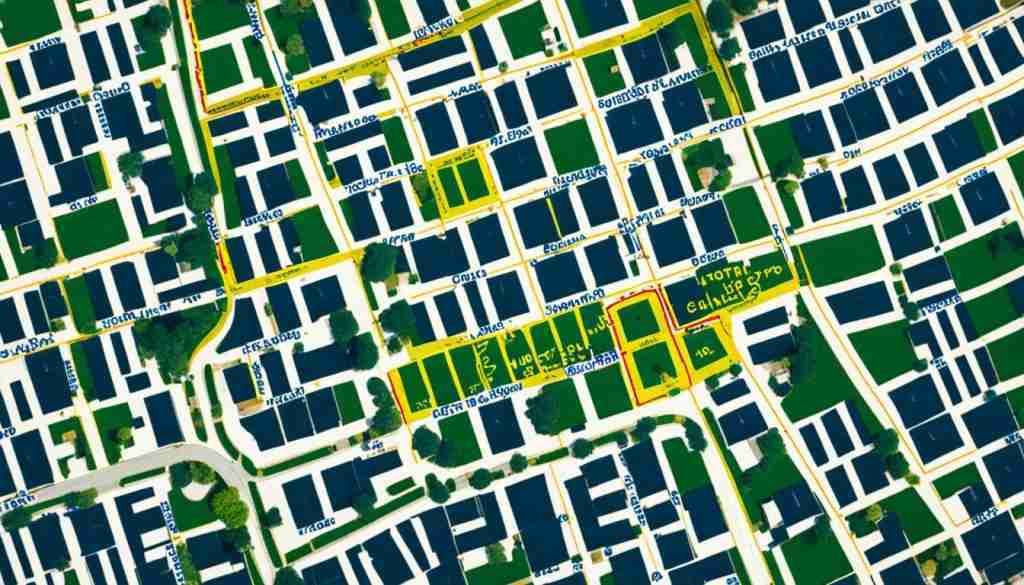
Local authorities are key when you’re looking for detailed property info in the UK. They keep lots of records and documents that tell you about your property’s past. Things like planning permissions and environmental checks are important to know.
Accessing Council Records and Documents
Here’s how to get to the info local authorities have:
- First, find out which local council your property falls under. It’s usually the one for the borough, district, or county where your home is.
- Then, contact the council’s planning, archives, or property teams to ask about their records. Many councils let you look online or visit in person.
- Ask for documents like planning applications, building control records, and historical maps. These can tell you a lot about your property’s history and current state.
- Remember, you might have to pay a small fee for the council to get these documents for you.
Using what local authorities know can really help you understand your property’s history. It can also reveal any rules or plans that might affect it. This way, you can make better choices about your property’s future.
“Talking to local councils can really change the game in your search for how to find property information uk. Their records are like a treasure trove of info about your property’s history and context.”
Engaging Professional Services for In-Depth Property Research
For a deeper look into a property’s history and details, experts are key. Solicitors, surveyors, and property researchers have the skills and tools to find things not easily found online or in public records.
These professionals offer deep insights. They can reveal hidden covenants, past planning permissions, and environmental risks.
Their detailed work helps people buy or sell property with confidence, avoiding problems and making the process smoother.
They also make the UK’s property info easier to understand.
With their knowledge and special databases, they can decode the Land Registry and council records. This gives a full picture of a property’s past and present.
How can I find out who owns a particular property?
The Land Registry is the best place to look for property or land ownership info in the UK. You can search their database to find title deeds and records.
These will show you who owns a property now and who owned it before.
How do I find out when my house was built?
To find out when your house was built, you can look at local archives and historical records. Online databases and the house’s deeds, plans, and architectural details can also help.
What are restrictive covenants and how can I remove them?
Restrictive covenants are legal agreements that limit how you can use or develop a property. Removing them can be hard and needs approval from the original covenant party. It might also cost you money.
How can I find out the value of my property over time?
Use online tools like house price indexes and real estate portals to see your property’s past value. The Land Registry keeps records of property and land sold, including the price and date.
You can also look at valuation reports and sale records. This info helps you understand your property’s investment value.
What environmental factors should I consider when researching a property?
Look into environmental risks like flood risk and contaminated land when checking a property. Use local authorities, environmental agencies, and online resources for this info.
It’s important for understanding the property’s value and suitability.
How can I find out if a property is listed or located in a conservation area?
Check if a property is listed or in a conservation area by looking at local authority records and online databases. Knowing this is key as it affects development and planning permissions.
What types of professional services can assist with in-depth property research?
For detailed property research, consider hiring professionals like solicitors, surveyors, or property researchers. They offer detailed analysis, including title searches and environmental risk assessments.