

In many UK homes, old fuse boxes are common, especially in properties that have not been renovated in recent years.
While they may seem like a relic from the past, understanding their function and when to replace them is crucial for ensuring electrical safety in your home.
What Is an Old Fuse Box?
An old fuse box, often found in older properties, is a type of electrical panel that houses fuses.
These fuses are safety devices designed to protect the electrical circuits from overheating and potentially starting a fire. When a circuit overloads, the fuse will blow, cutting off the electricity to prevent damage.
Components of an Old Fuse Box
Old fuse boxes typically include:
- Fuses: Replaceable components that safeguard circuits from overcurrent.
- Main Switch: This controls the overall power supply to the home.
- Circuit Breakers: In some cases, old fuse boxes might be upgraded with circuit breakers, which can be reset instead of replaced.
Why Consider a Fuse Box Replacement?

There are several compelling reasons to consider replacing an old fuse box:
Safety Concerns
Old fuse boxes can pose significant safety risks. Over time, the wiring and components can degrade, increasing the likelihood of electrical faults.
Moreover, older systems are not equipped to handle the electrical demands of modern appliances, which can lead to overloads and potential hazards.
Insurance Requirements
Many insurance companies require homes to meet current electrical safety standards. Having an outdated fuse box might not comply with these standards, affecting your home insurance policy or claims.
Improved Performance
Modern consumer units offer better protection and functionality.
They are designed to handle higher electrical loads, accommodate the use of numerous appliances, and offer enhanced safety features like Residual Current Devices (RCDs) that provide additional protection against electrical shocks.
Signs You Need a Fuse Box Replacement
Knowing when to replace your old fuse box is crucial. Here are some signs that it might be time to upgrade:
Frequent Blown Fuses
If you find yourself constantly replacing blown fuses, it might indicate that your electrical system is struggling to cope with your household’s power demands.
Flickering or Dimming Lights
This can be a sign of an overloaded circuit or faulty wiring, both of which are often linked to an outdated fuse box.
Burning Smell or Scorch Marks
Any burning smell or scorch marks around your fuse box are serious warning signs of electrical faults and should be addressed immediately.
Age of the Fuse Box
If your fuse box is over 25 years old, it’s likely outdated and should be evaluated by a qualified electrician.
Steps for Replacing Your Old Fuse Box
Replacing an old fuse box should always be carried out by a licensed electrician. Here’s an overview of the process:
Assessment and Planning
The first step is for an electrician to assess your current electrical system and determine the appropriate replacement unit. They will also plan the installation to minimize disruption.
Power Shutdown
For safety, the power supply to your home will be temporarily shut down during the replacement process.
Installing the New Consumer Unit
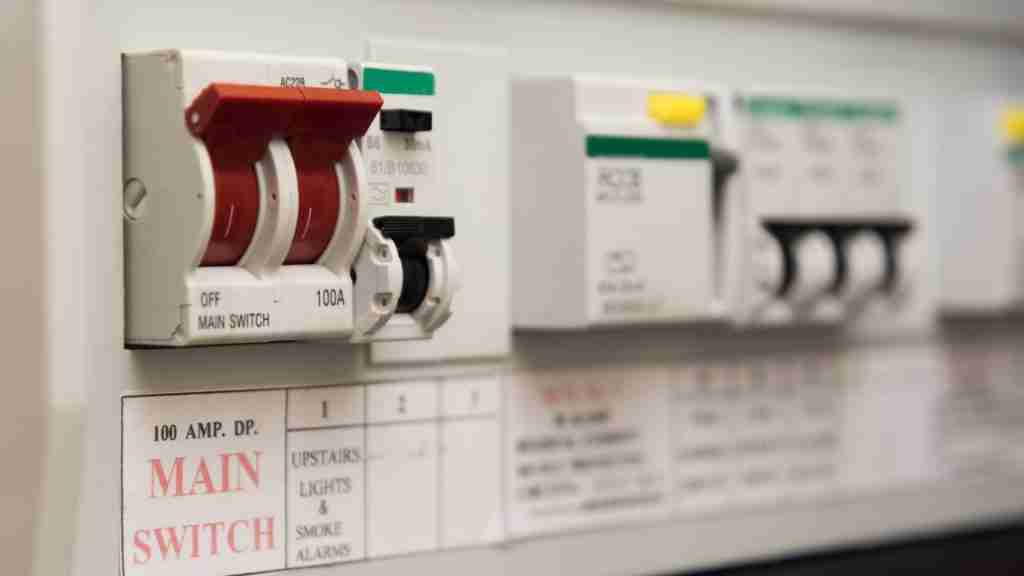
The electrician will then install the new consumer unit, ensuring all connections are secure and compliant with current regulations.
Testing

Once installed, the electrician will test the entire electrical system to ensure everything is functioning correctly and safely.
Choosing the Right Electrician
When replacing your old fuse box, it’s crucial to hire a qualified and experienced electrician. Here are some tips:
- Check Certifications: Ensure they are registered with a recognized body such as NICEIC or NAPIT.
- Ask for References: A reputable electrician should be able to provide references from previous clients.
- Obtain Multiple Quotes: This helps you understand the market rate and choose a fair-priced service.
Cost of Replacing an Old Fuse Box
The cost of replacing an old fuse box in the UK can vary depending on several factors, including the complexity of the installation and your location.
On average, you can expect to pay between £300 and £500 for a standard replacement.
Factors Affecting Cost
- Number of Circuits: More circuits may increase the cost.
- Additional Wiring: If additional wiring is needed, this will add to the overall expense.
- Location: Prices may vary depending on your geographical location.
Fuse Box Replacement Grant
In the UK, various government initiatives and local council programs offer financial assistance for essential electrical upgrades, such as replacing fuse boxes.
These schemes are primarily designed to support low-income families and individuals living in older homes.
By providing crucial funding, they help ensure that essential safety updates are accessible to those who may face financial challenges, reducing the risk of outdated or unsafe electrical systems.
To learn more read our article Free Fuse Box Replacement in The UK
Conclusion
Maintaining a safe and efficient electrical system in your home is essential, and replacing an old fuse box is a significant step toward achieving this.
By understanding the risks associated with outdated fuse boxes and recognizing the signs for replacement, you can ensure your home meets modern safety standards.
Always employ a qualified electrician to perform the replacement, safeguarding your home against potential electrical issues.
By upgrading to a modern consumer unit, you not only protect your home but also increase its value and comply with insurance requirements.
So, if you’re noticing issues with your old fuse box, consider taking action sooner rather than later.


